Everything you finish goes up with its transcript and its edit decisions, not just its bytes — so the library knows what a video says, which angle was on screen when it said it, and why.
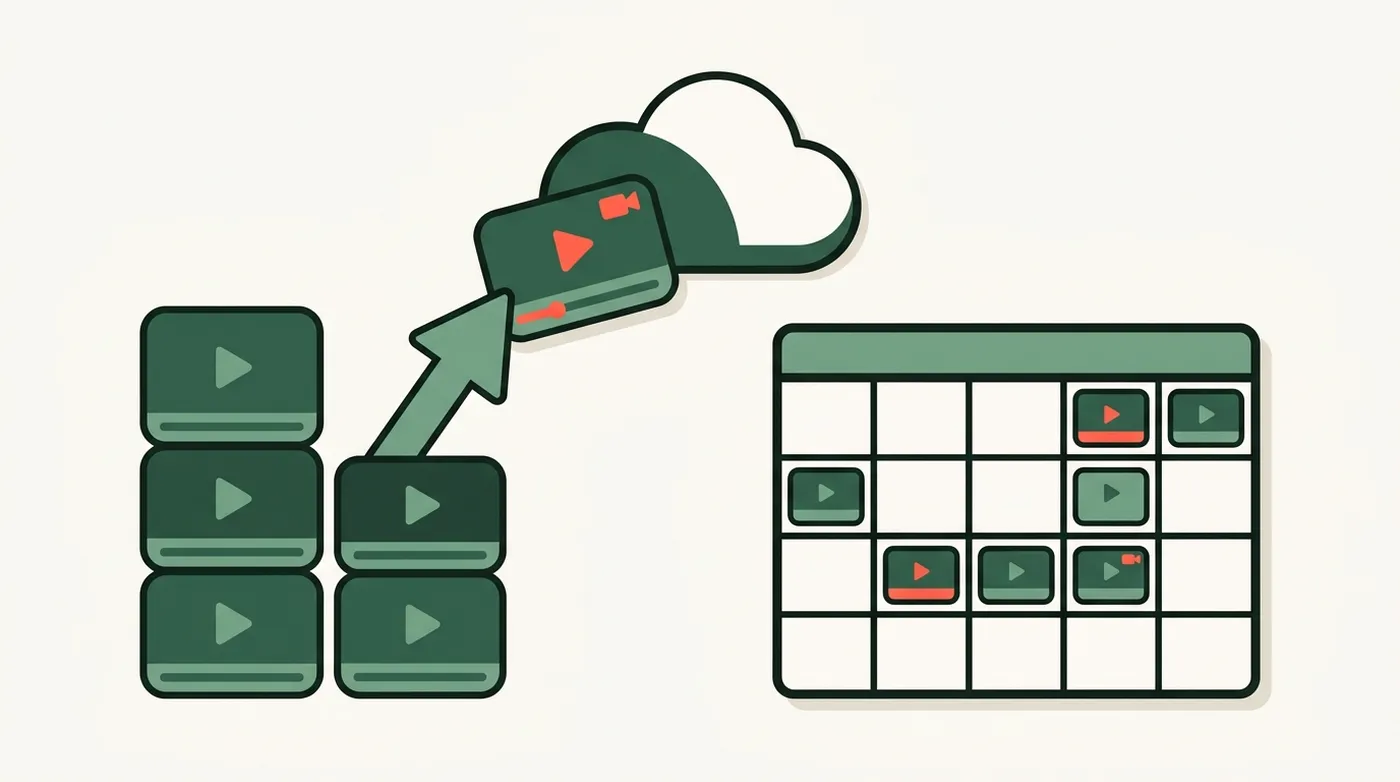
Video is pushed in 8 MiB chunks, and the server owns the offset. Close the lid, lose the network or reimage the machine, and the next attempt asks where to carry on from — the desktop keeps no bookkeeping that could be wrong.
Files are stored by the hash of their contents, so pushing the same cut twice transfers nothing at all and answers immediately.
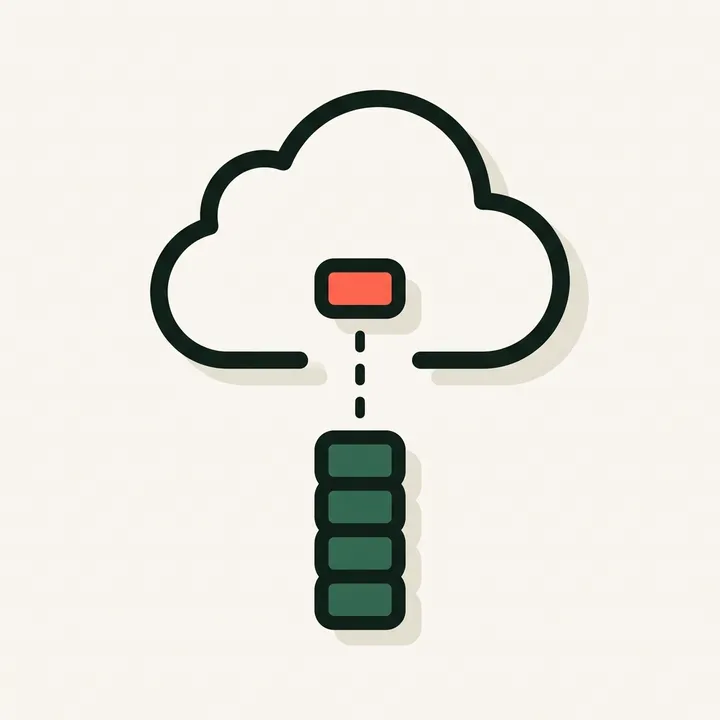
The description of a session — its sources, their sync offsets, its markers and chapters, every Cut and the reason each camera change was made — is small, so it goes first. The portal can show you the whole shape of an edit while the video is still climbing.
Those manifests are kept exactly as they were sent, which means a bug in how they are read is a code fix and a replay rather than a re-upload.
The library

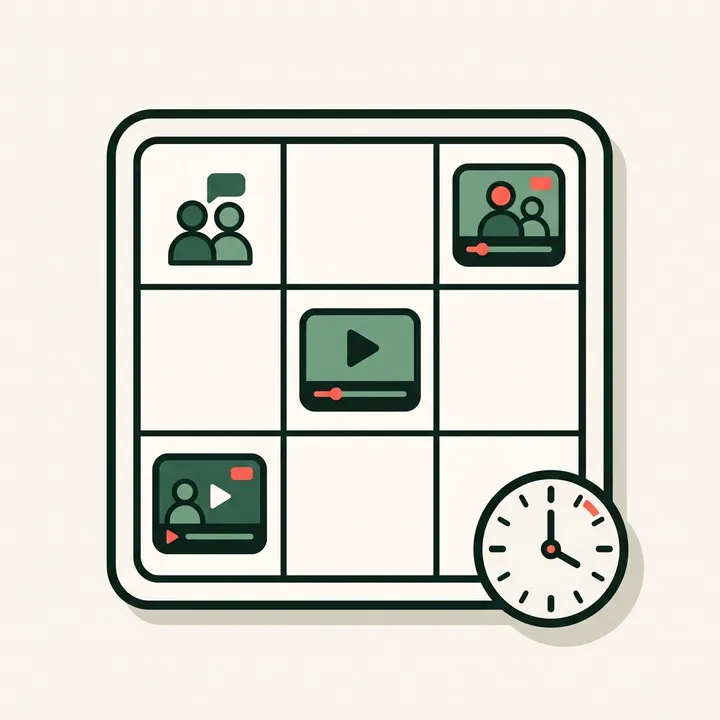
Every sentence of every session is indexed. Find the take where somebody said the thing, across projects, and land on the second it happens.
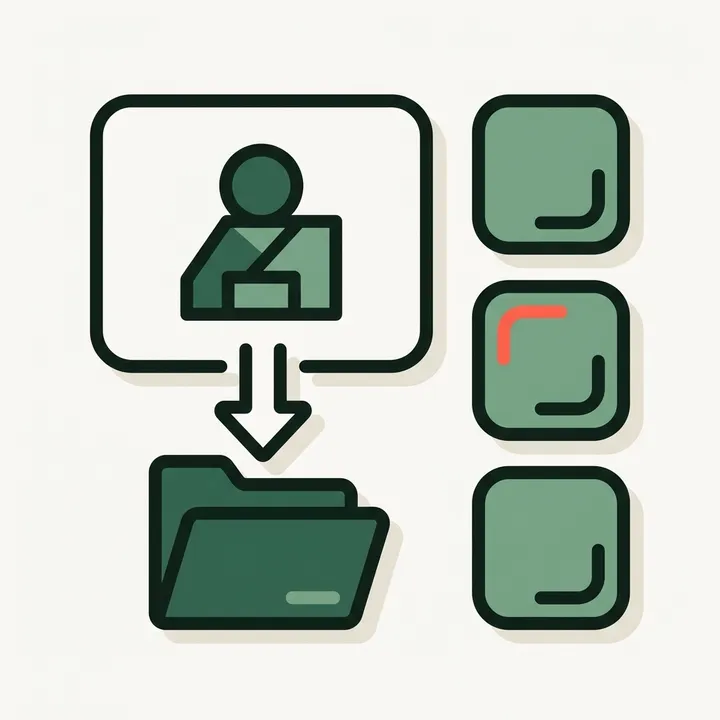
Cuts arrive as a thumbnail grid you can play in place. Video is streamed by the web server with proper range requests, so scrubbing is instant.
Open, postponed, edited, uploaded — with legal transitions and an audit trail, so a shoot that was set aside on purpose is distinguishable from one that was forgotten.

Tenant isolation is enforced by the database itself, under a role that has no power to bypass it — not by remembering to add a filter to every query.
Scheduling
Choose destinations for a cut, set a title and a visibility, pick now, in an hour or tomorrow morning, and it goes on the board.
You do not have to open a browser to publish. The editor has a Cloud button that lists what is on the server, uploads what is missing, and schedules a cut without leaving the timeline.
 TunaCut